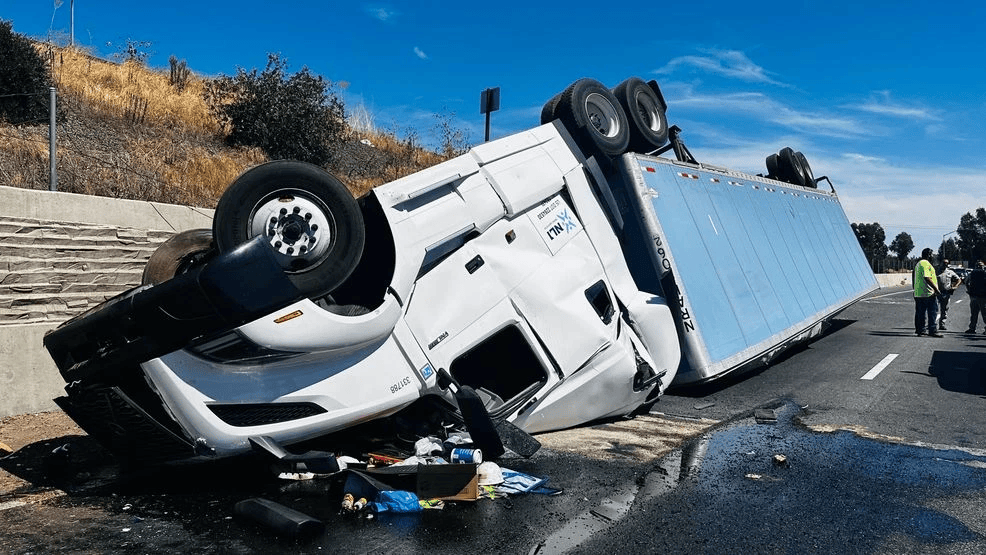
Truck accidents are among the most catastrophic events on Florida’s roadways. In Tampa, where major highways like I-4, I-275, and I-75 see heavy truck traffic daily, the risks are even higher. Understanding what causes these collisions can help victims identify negligence and seek rightful compensation.
At The Black Law Company, we’ve represented countless individuals injured in serious truck crashes. We know what causes these accidents—and how to prove it in court.
Key Takeaways
- Driver fatigue, distracted driving, and speeding are top causes of truck accidents.
- Poor vehicle maintenance and unsecured loads also contribute to collisions.
- Multiple parties may be responsible depending on the cause.
- Proving fault requires a detailed investigation and legal expertise.
- Victims may be entitled to compensation for medical expenses, lost wages, and pain and suffering.
Top Causes of Truck Accidents in Florida
Driver Fatigue
Despite federal regulations, many truck drivers operate beyond safe hours. Drowsy driving slows reaction times and increases the risk of deadly mistakes. Trucking companies may also pressure drivers to meet unrealistic schedules.
Distracted Driving
Texting, checking GPS, eating, or adjusting controls behind the wheel can divert a trucker’s attention just long enough to cause a serious crash.
Speeding and Reckless Driving
Large commercial trucks take longer to stop. When drivers speed or change lanes aggressively, they put everyone on the road at risk.
Poor Maintenance
Faulty brakes, worn tires, and uninspected equipment are frequent causes of preventable accidents. If the trucking company or a third-party maintenance provider fails to maintain the truck properly, they may be held liable.
Overloaded or Improperly Secured Cargo
Trucks carrying unbalanced or unsecured loads are more likely to roll over or jackknife. Cargo-related crashes often involve negligence by the shipper or loader.
Why Legal Representation Matters
Truck accident cases are not like typical car crashes. Commercial trucking is heavily regulated, and multiple parties may share responsibility. At The Black Law Company, we move quickly to collect driver logs, black box data, maintenance records, and witness statements. This evidence is critical in determining fault and maximizing compensation.
If you or a loved one has been injured in a truck accident in Tampa, contact us today at 813-321-7380. We’ll review your case at no cost and explain your legal options clearly and honestly.
Frequently Asked Questions
1. What should I do immediately after a truck accident?
Call 911, seek medical attention, and try to document the scene if it’s safe. Then contact an attorney before speaking to insurers.
2. Can I sue the trucking company directly?
Yes. If the company was negligent in hiring, training, or maintaining the vehicle, they can be held responsible.
3. Are truck accident claims different from car accident claims?
Yes. They often involve federal regulations, commercial insurance policies, and more complex liability issues.
4. How long do truck accident cases take to settle?
Each case varies. Some resolve in months, others may take over a year, depending on the facts and severity of injuries.
5. What compensation can I recover in a truck accident lawsuit?
You may be entitled to damages for medical costs, lost income, pain and suffering, and more, depending on the details of your case.
This post was written by Okoye Morgan Jr., a lawyer with extensive knowledge as a St Petersburg personal injury lawyer. Okoye is one of the founding partners of The Black Law Company, specializing in personal injury law, trust and estate law, civil litigation law, and criminal defense.
The information provided on this website does not, and is not intended to, constitute legal advice. All information, content, and materials available on this site are for general informational purposes only. Information on this website may not constitute the most up-to-date legal or other information. This website contains links to other third-party websites. Such links are only for the convenience of the reader, user or browser; the ABA and its members do not recommend or endorse the contents of the third-party sites.
 7 Day UK Blog
Leave a comment